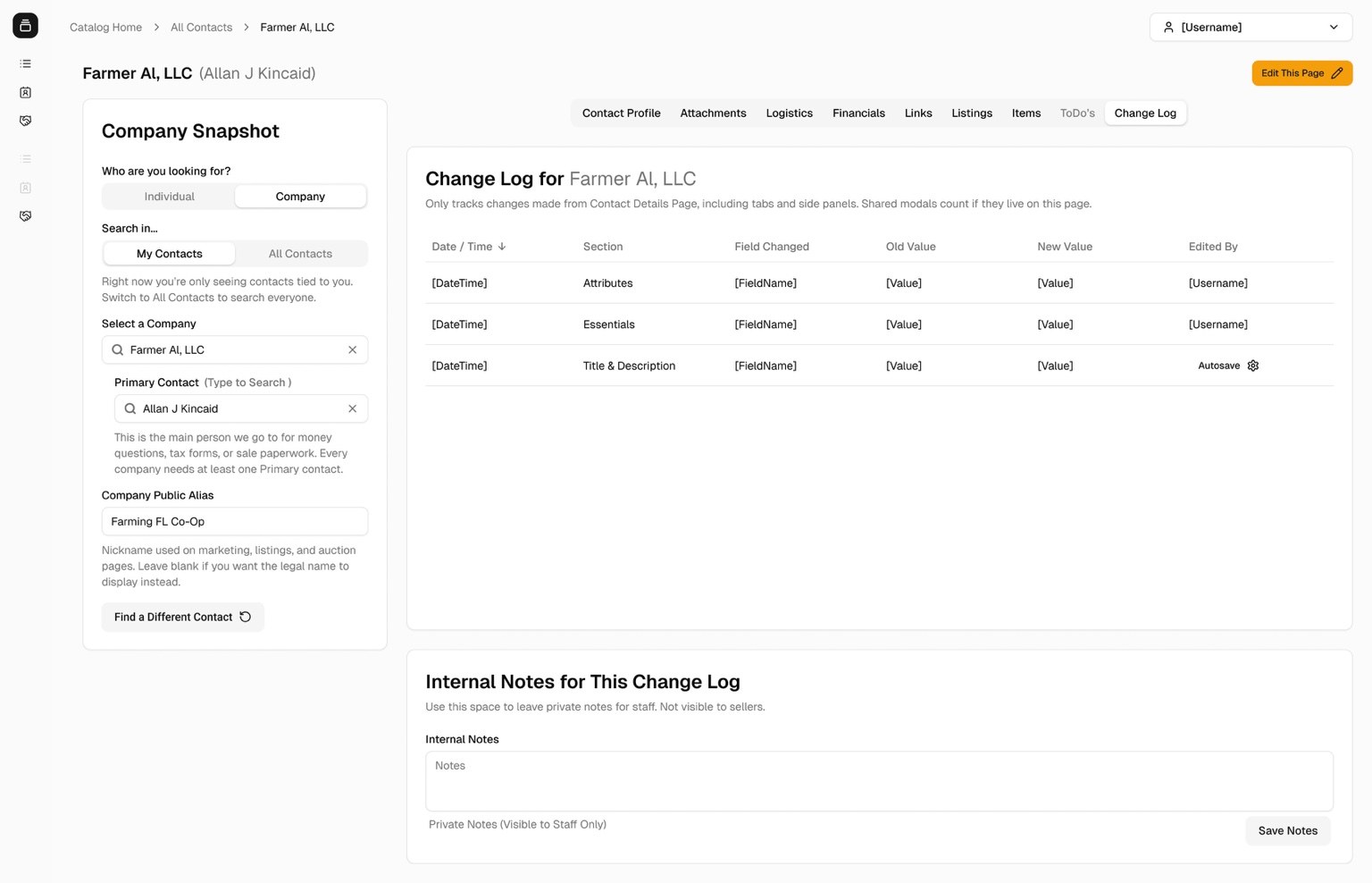
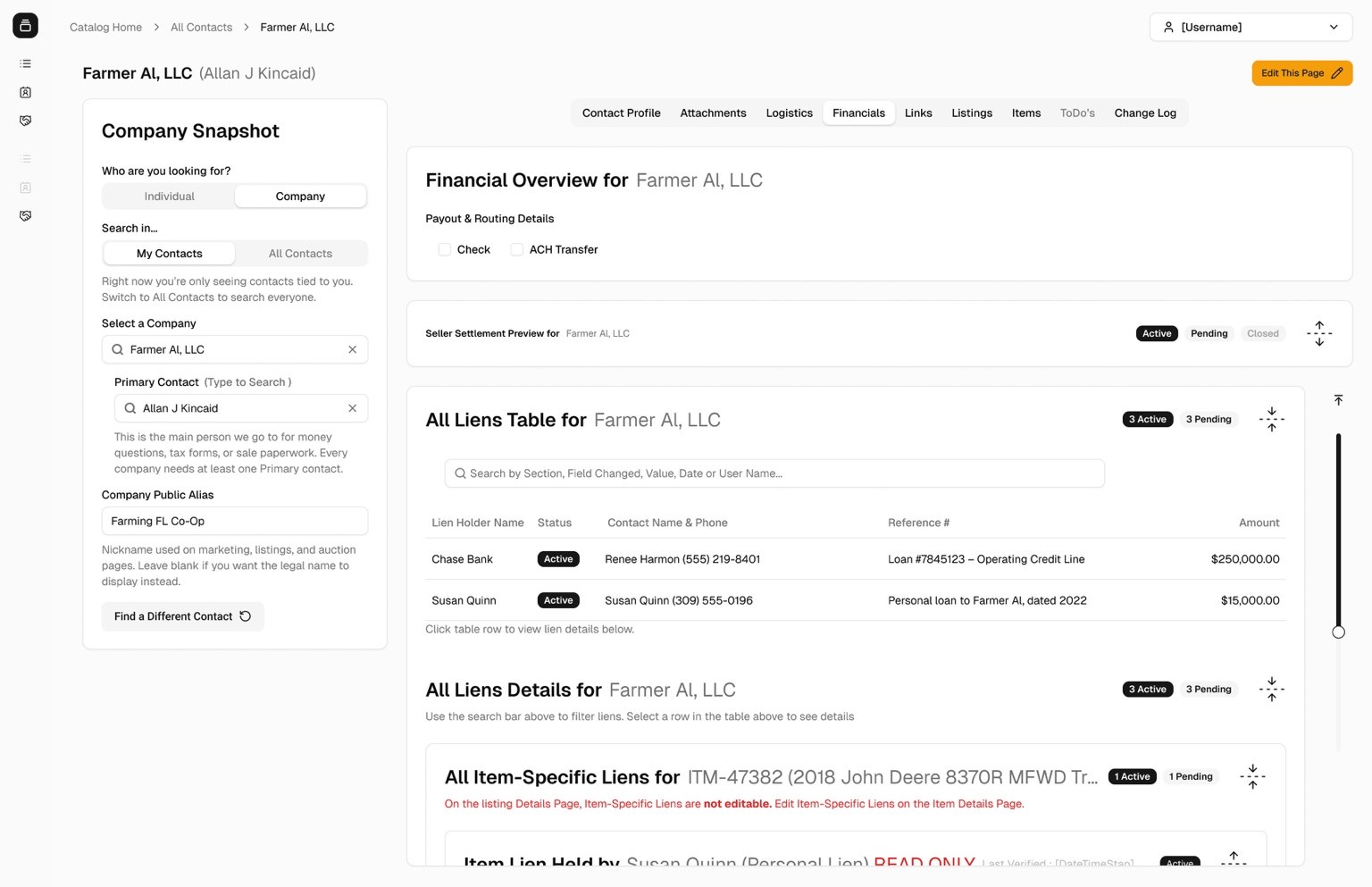
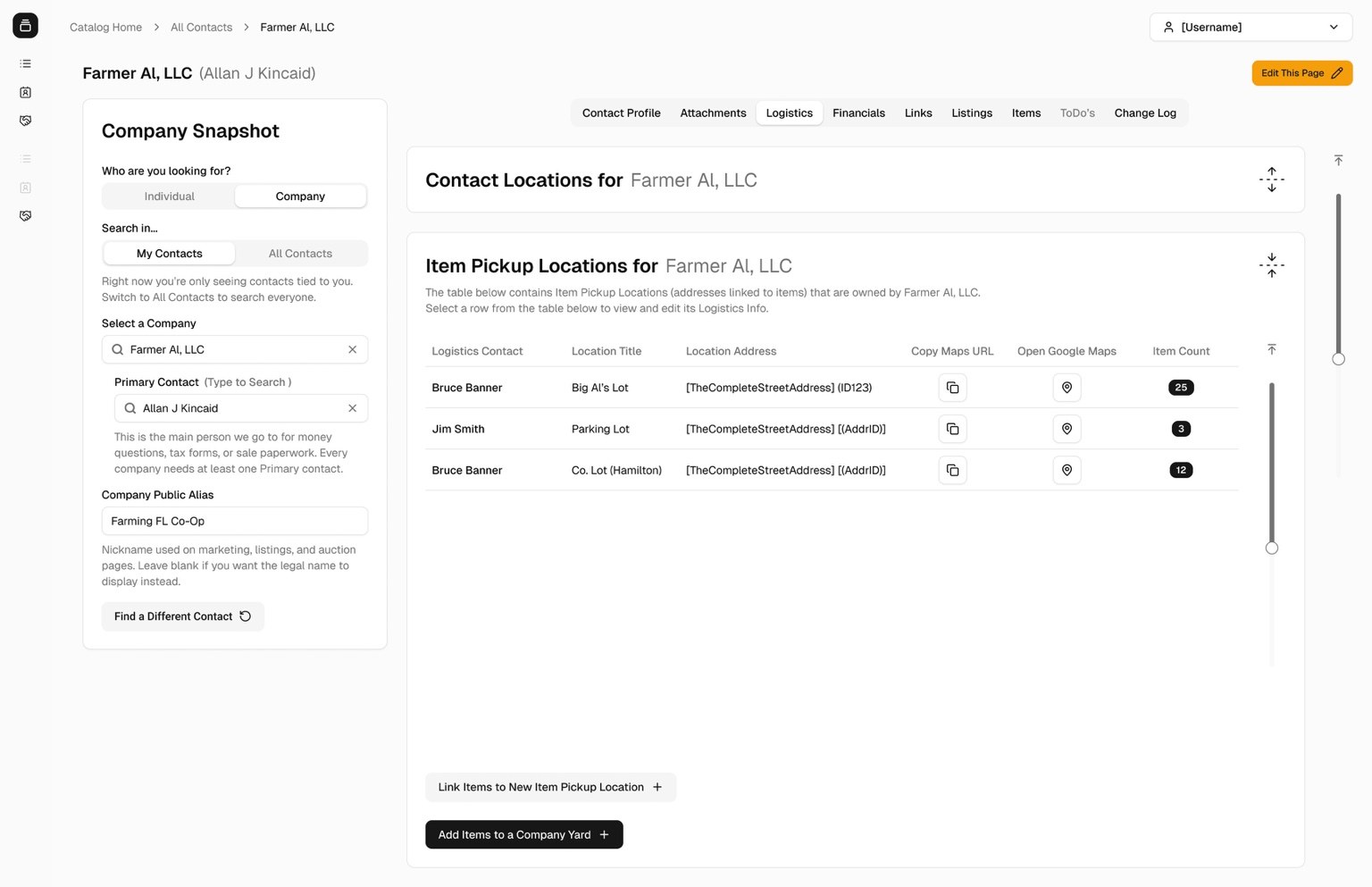
Recent Work: BigIron Auctions, Cedar Bluff Technologies, & Moss Rock Ranch. Clarity Calls are 15 minutes, no prep.
We’ll identify the real decision, make tradeoffs explicit, and leave with a clear next
step and owner.
Prefer email first?
Selected work showing how I turn complex workflows into shippable systems with
clearer paths, fewer rework cycles, and faster handoffs.
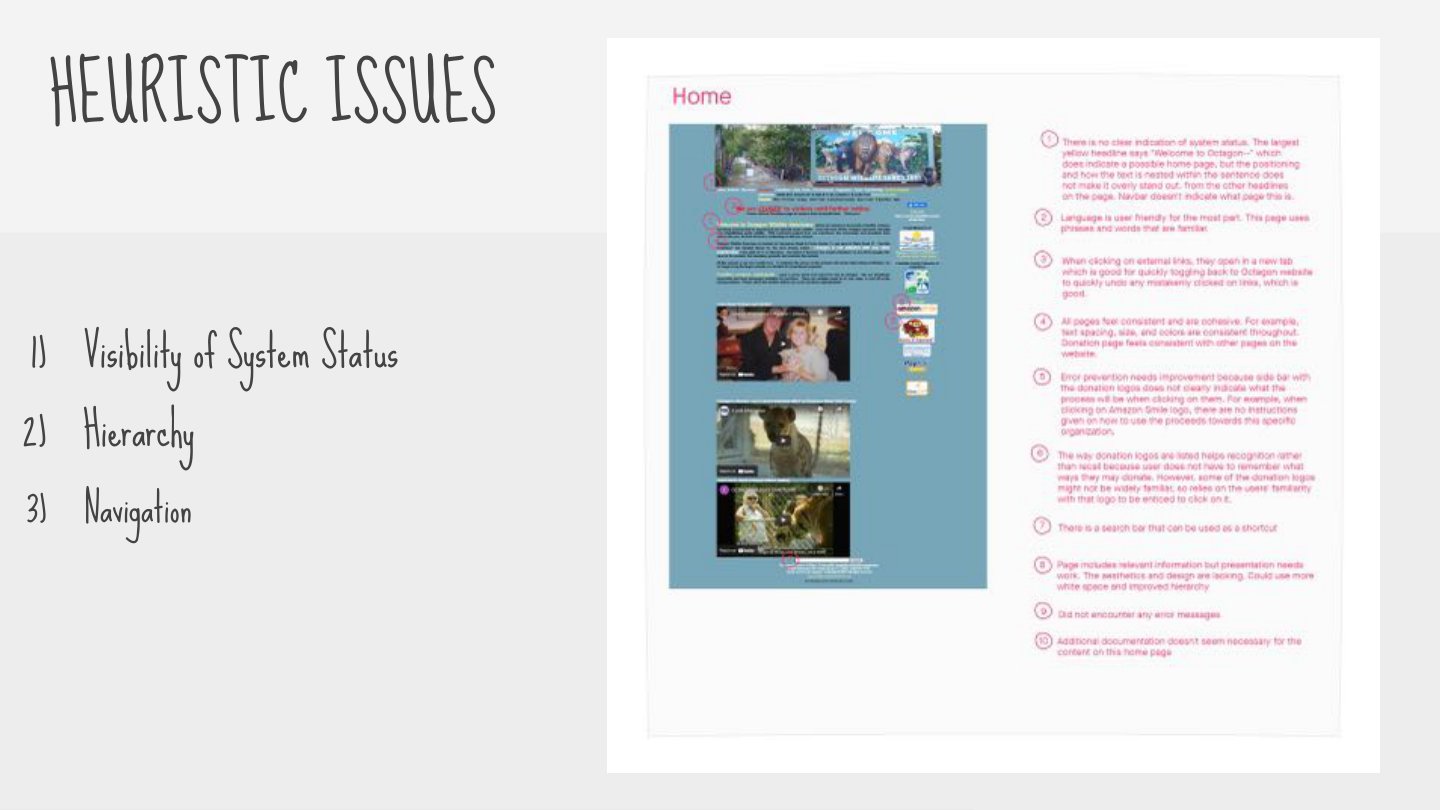
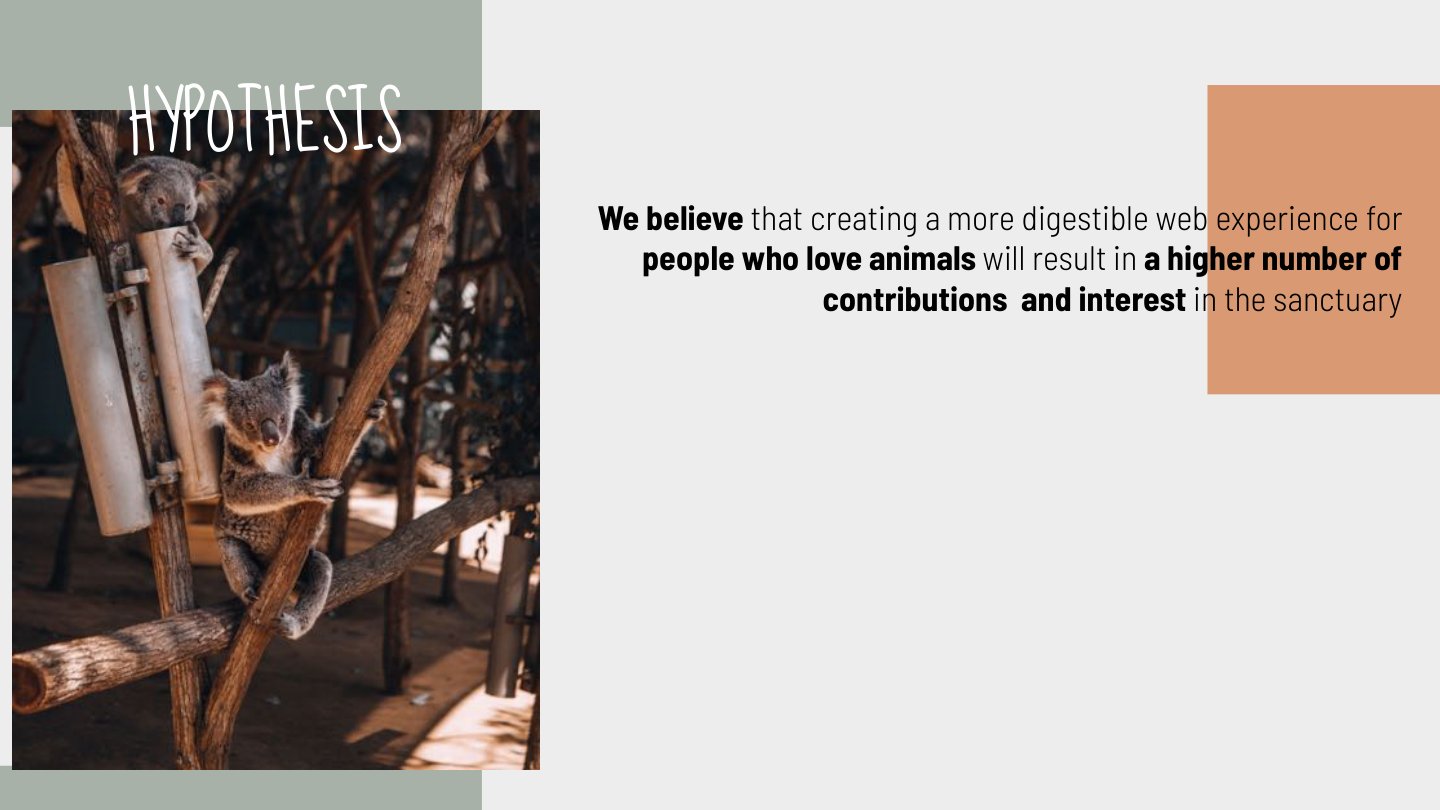
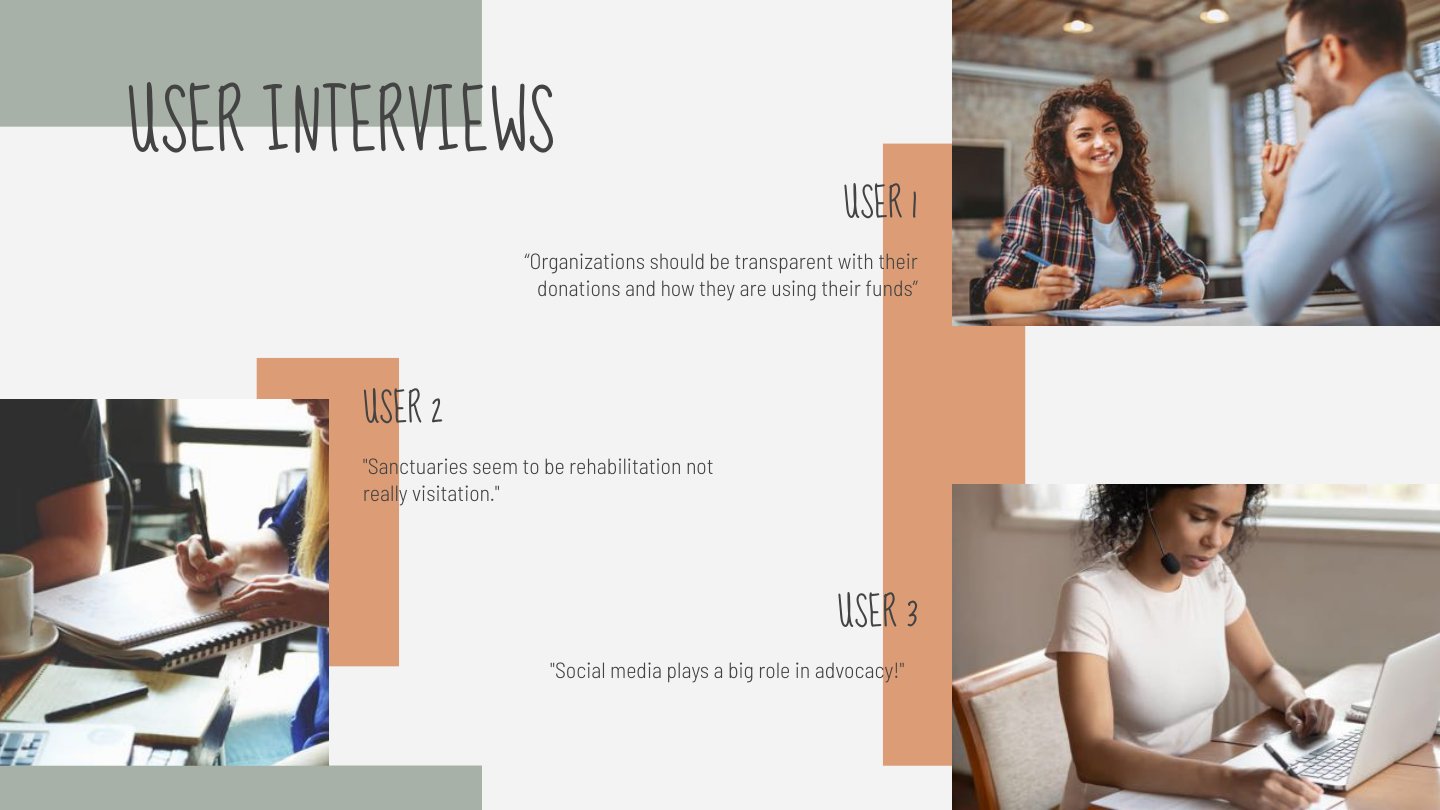
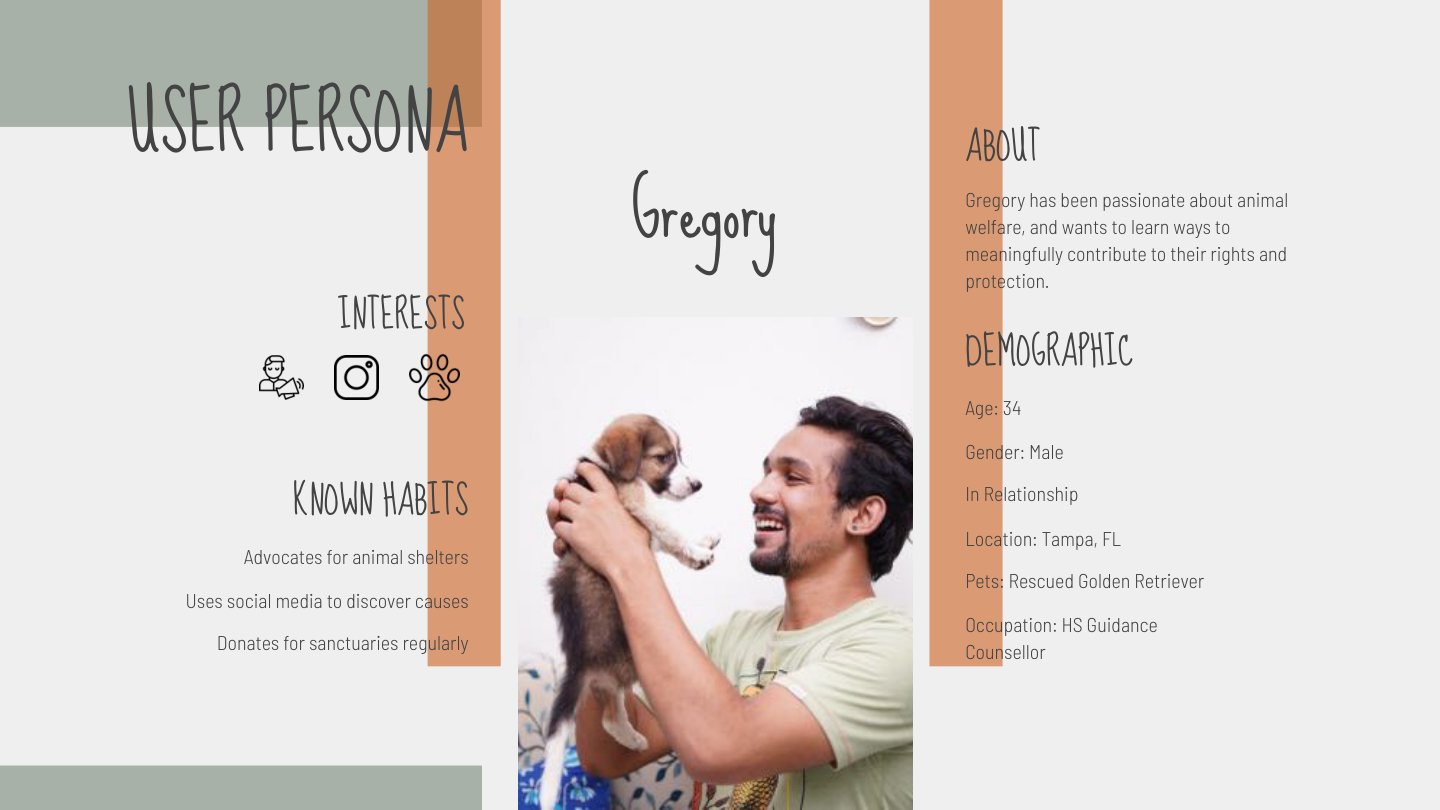
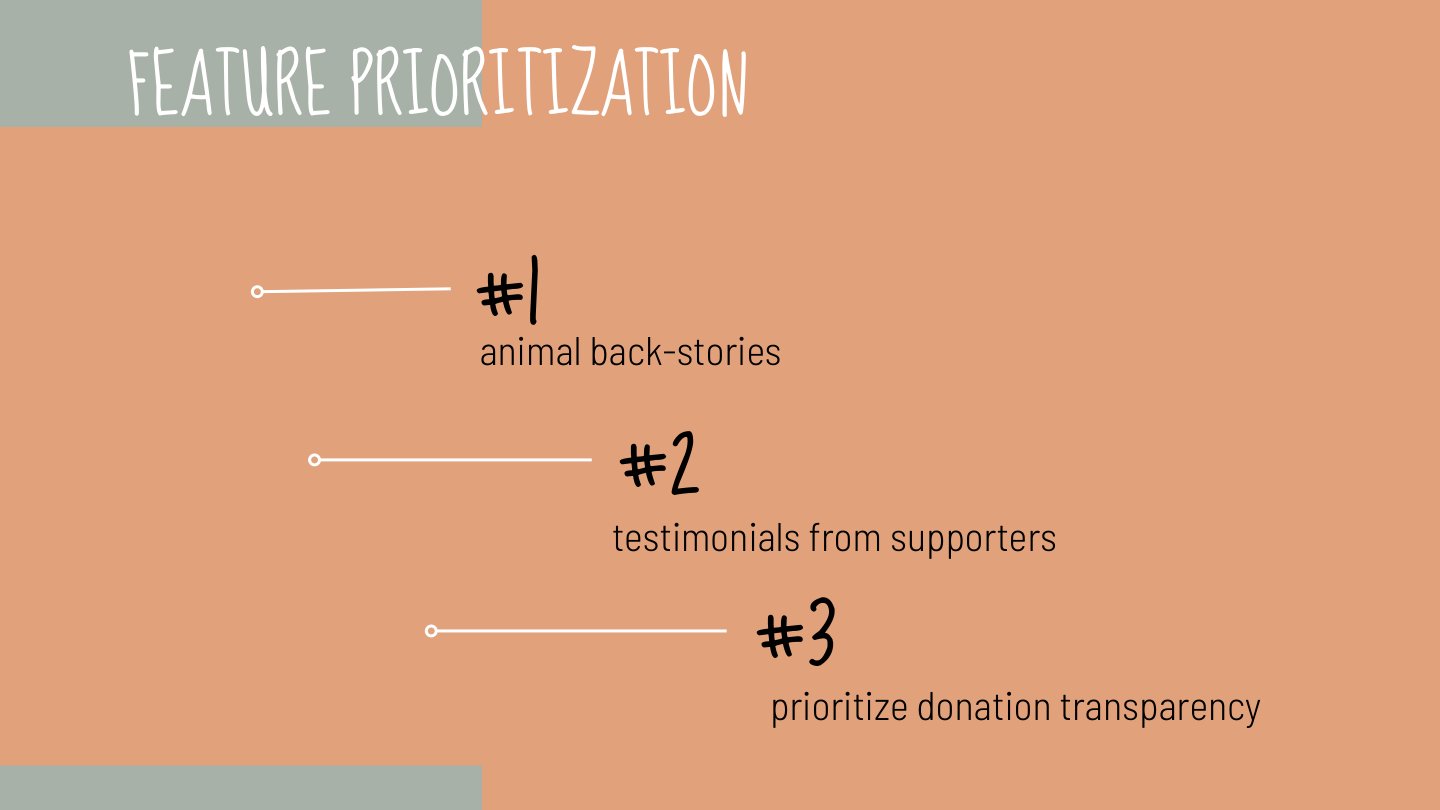
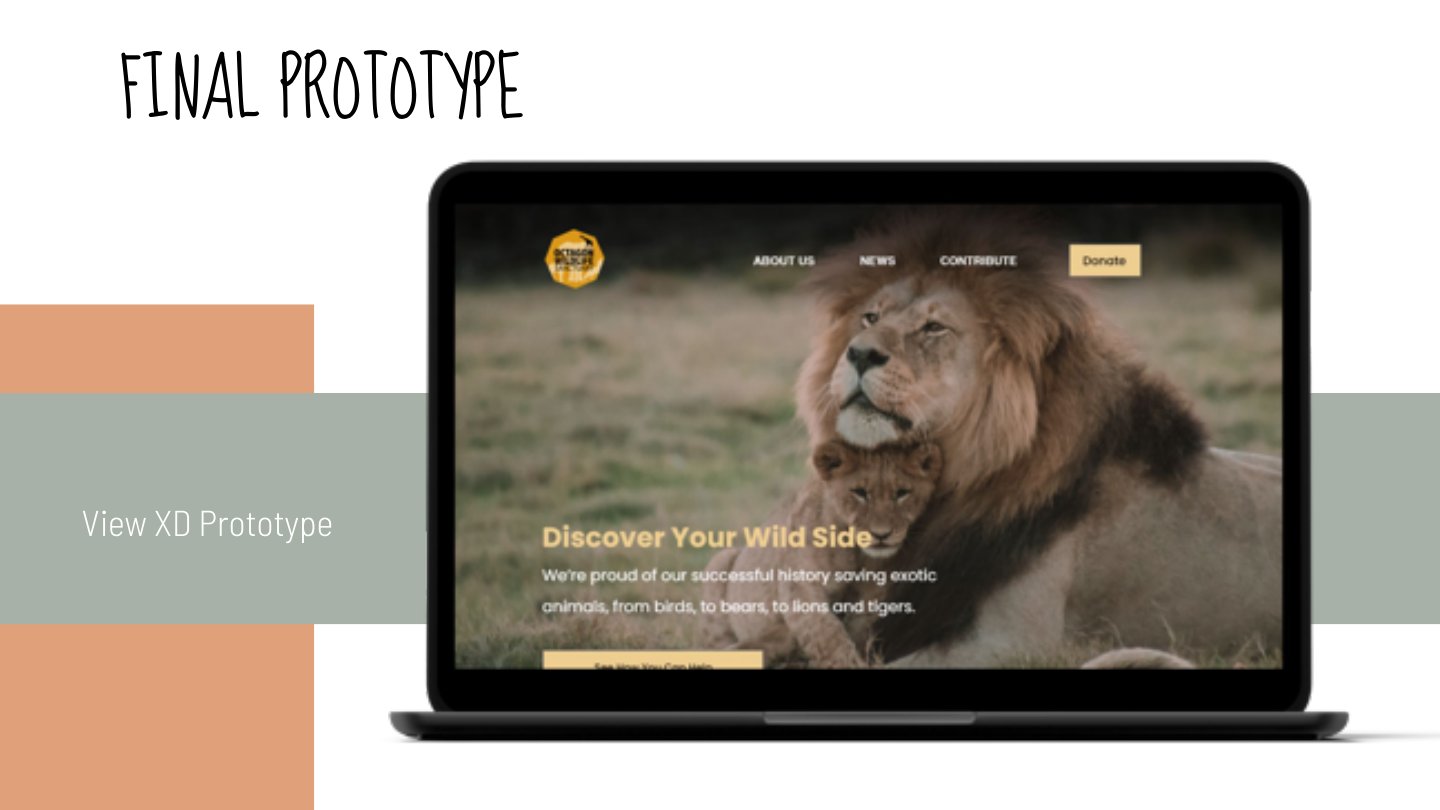
Octagon Wildlife Sanctuary
UX StrategyConversion Architecture
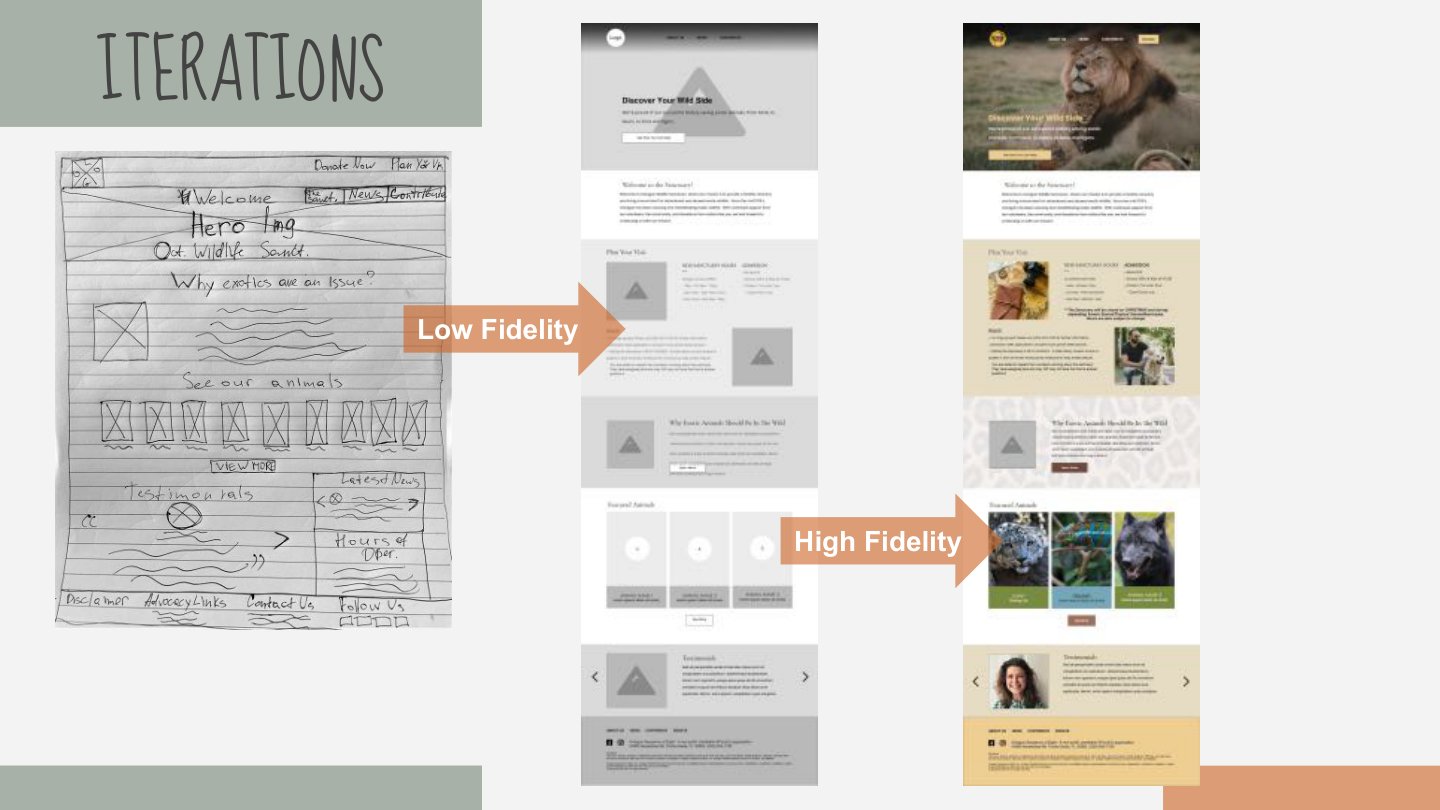
Reframed the site around a trust-first visitor journey instead of internal
content priorities.
Strategic Moves:
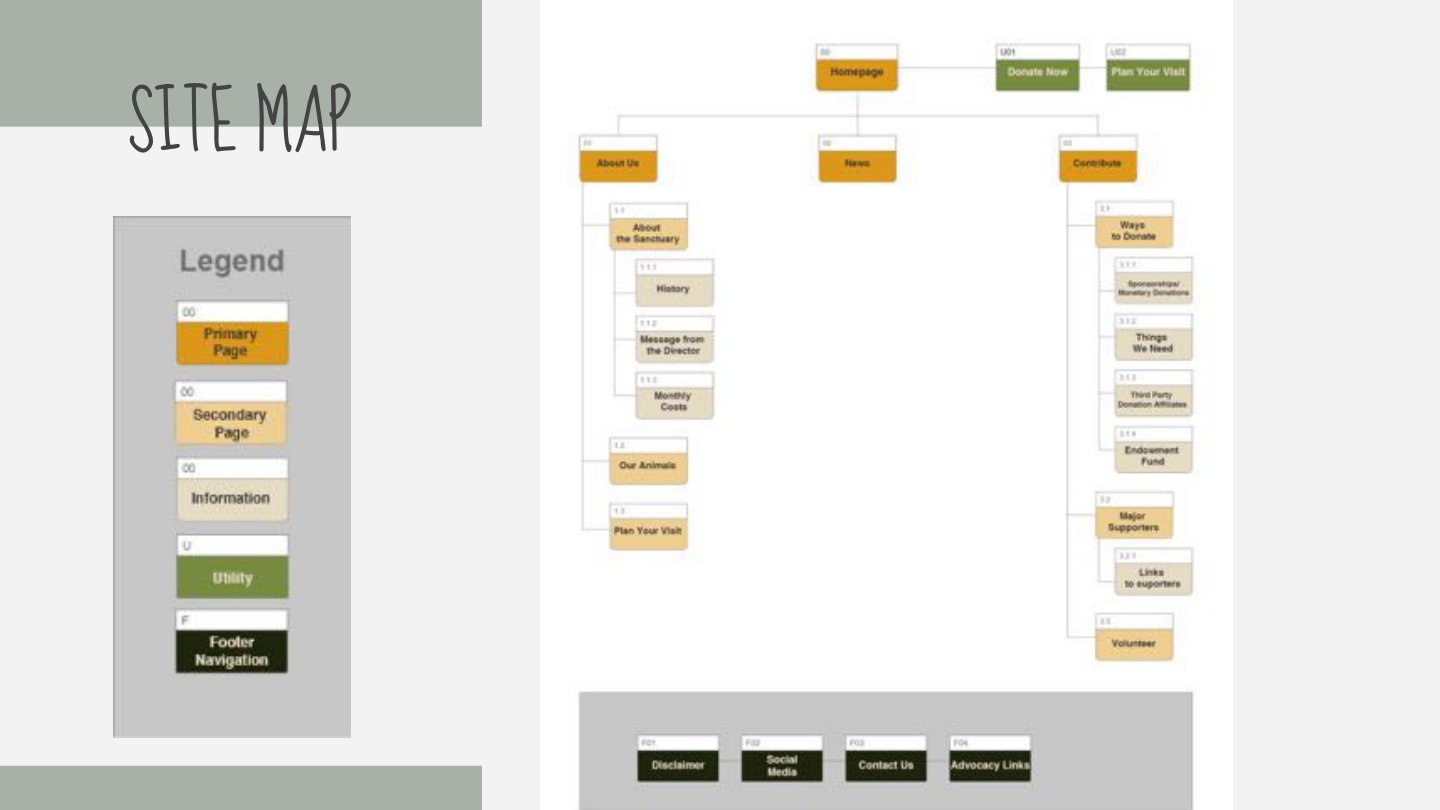
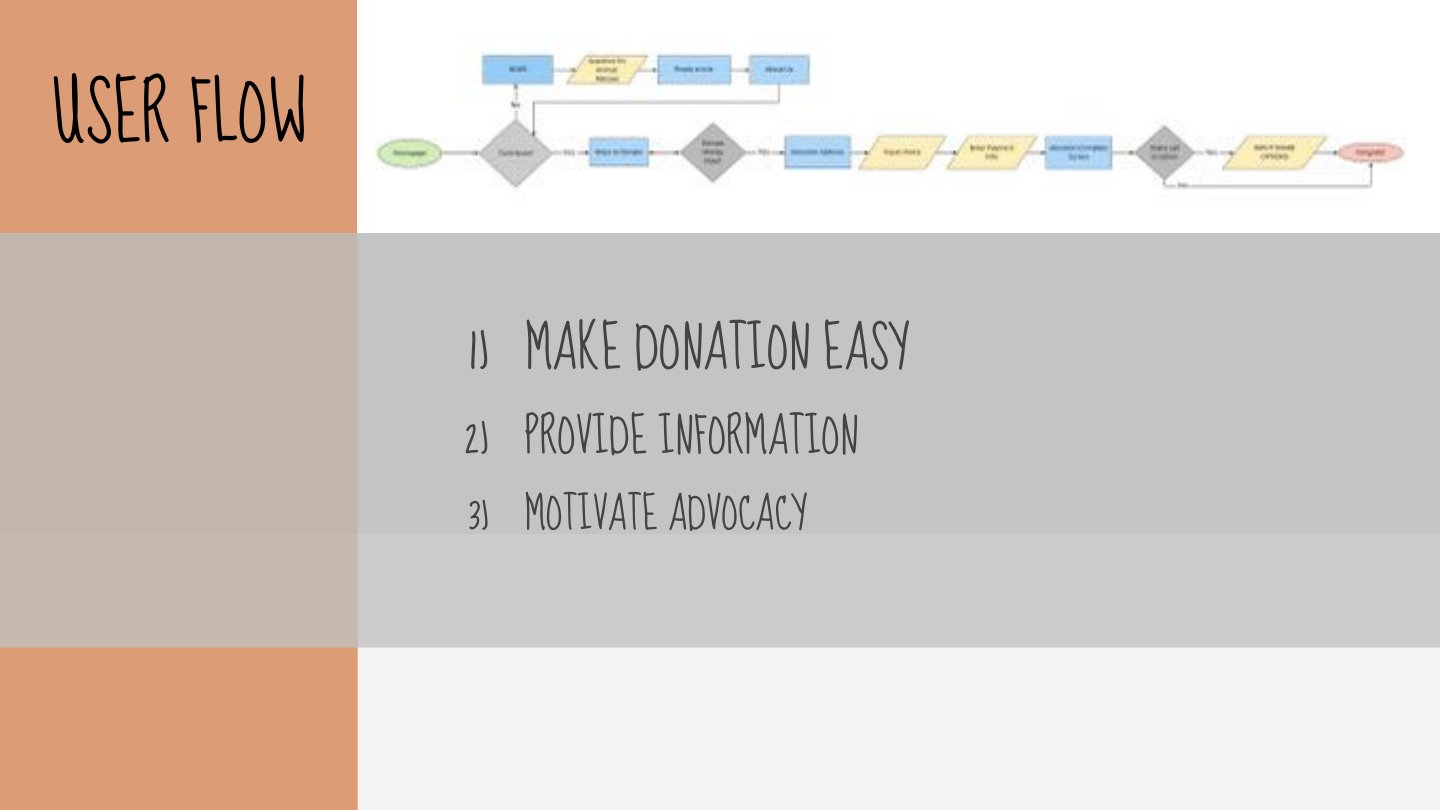
Clarified booking + donation decision paths
Reduced friction by making next steps explicit
Structured content around user intent, not org structure
Result:
More bookings
Stronger donation lift
Fewer support questions post-launch
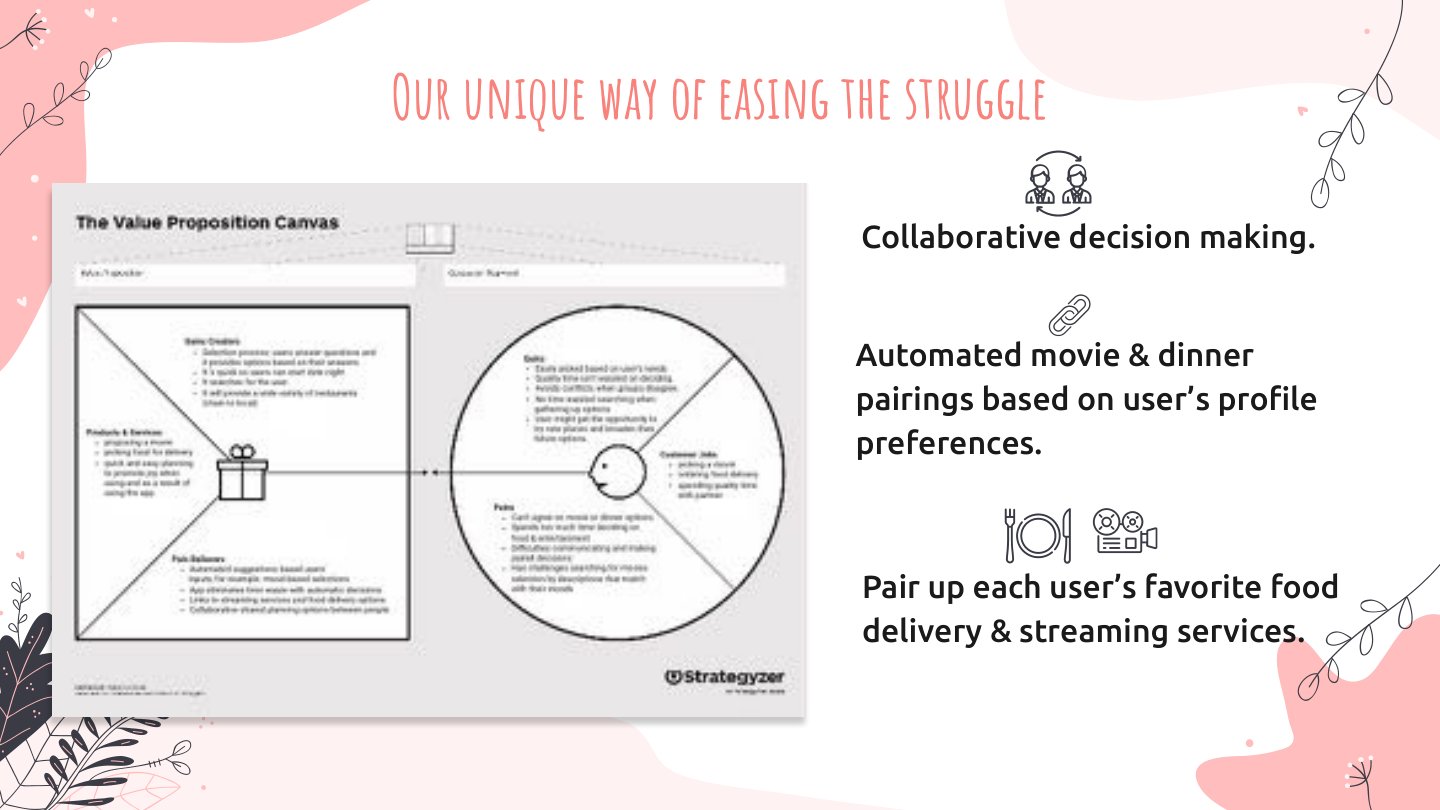
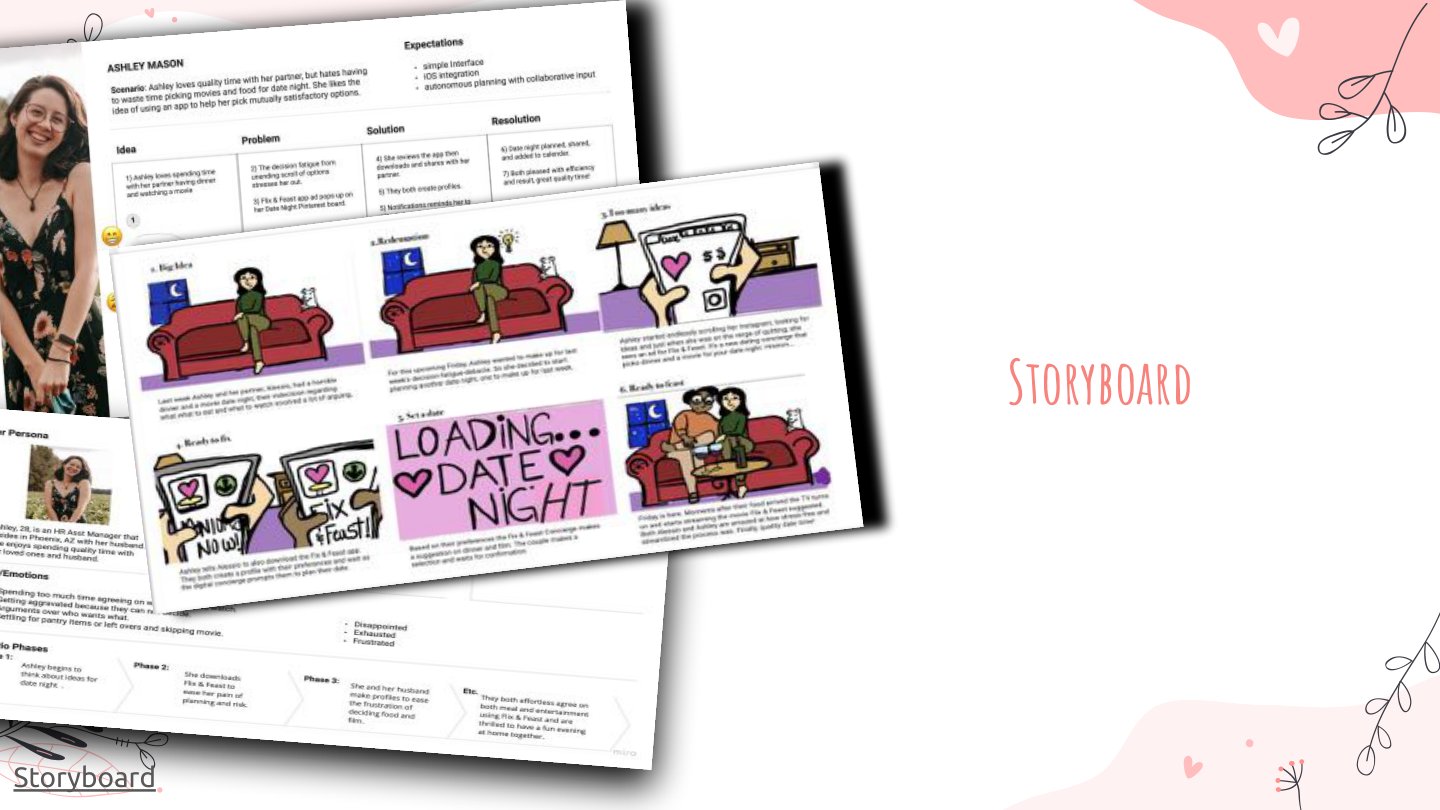
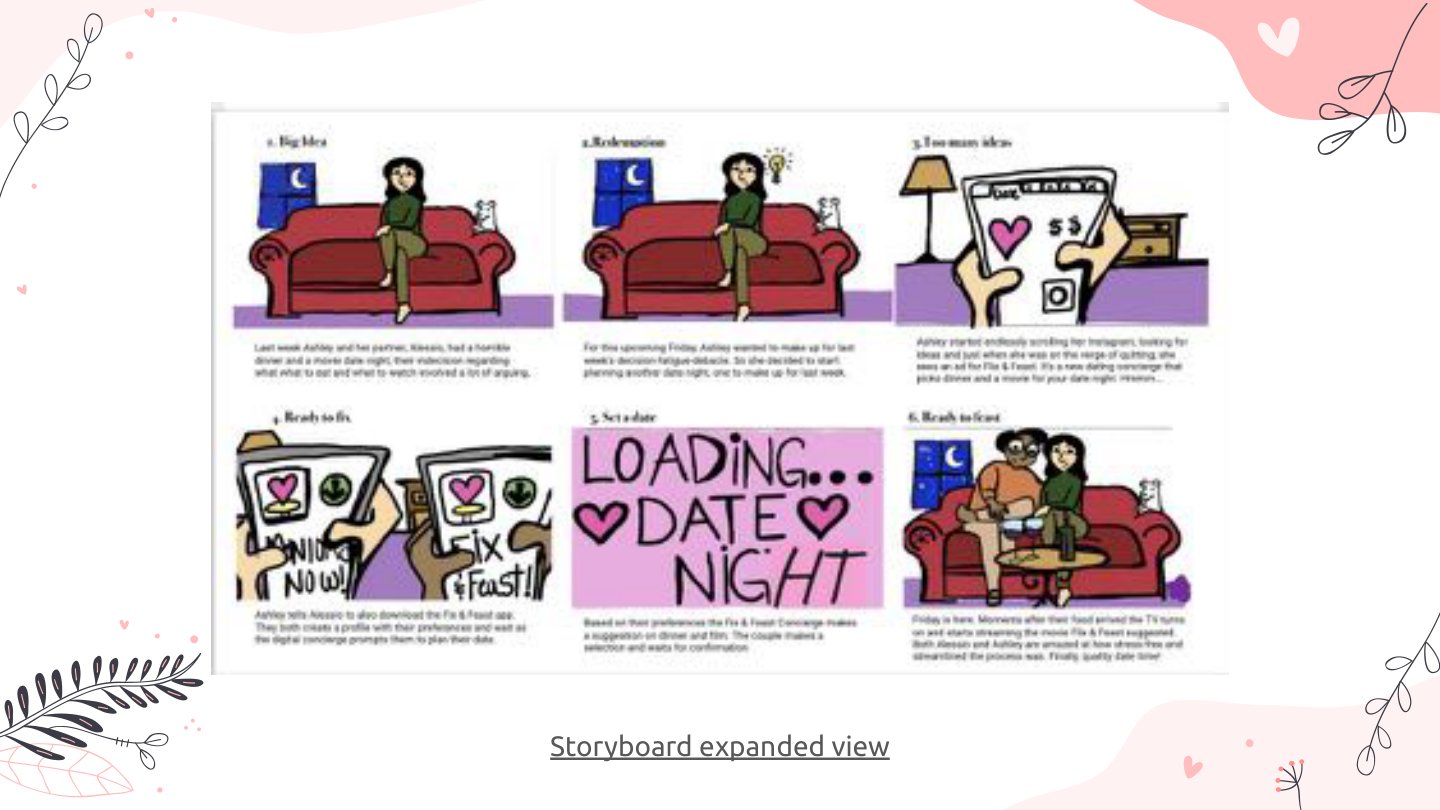
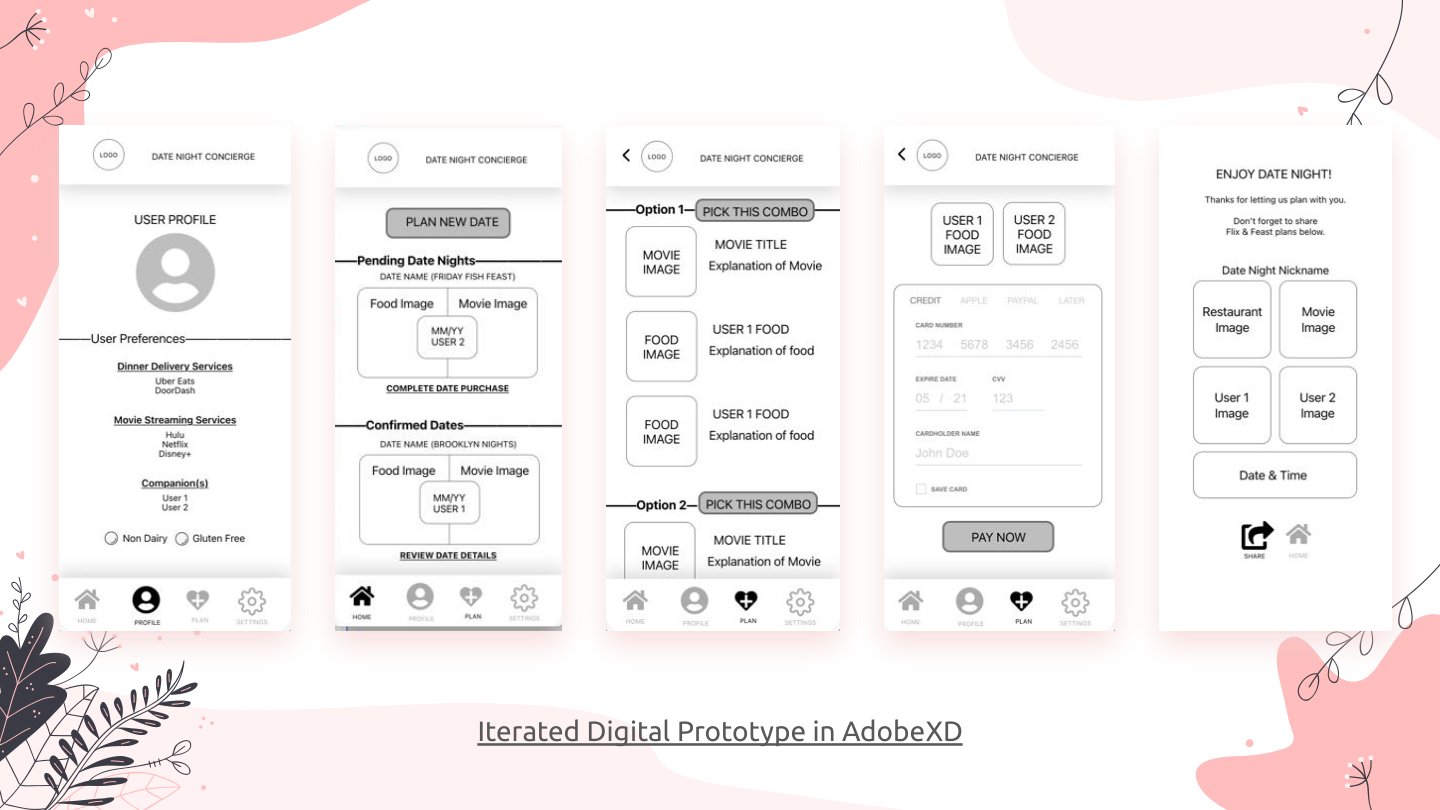
Flix & Feast
Product FramingBehavioral Flow Design
Shifted the concept from “recommendations” to shared alignment — a structural
reframing of the core value.
Strategic Moves:
Designed a lock-in flow that advances couples together
Removed ambiguity from decision points
Made the wedge obvious in one glance
Result:
Tighter forward motion in the core experience
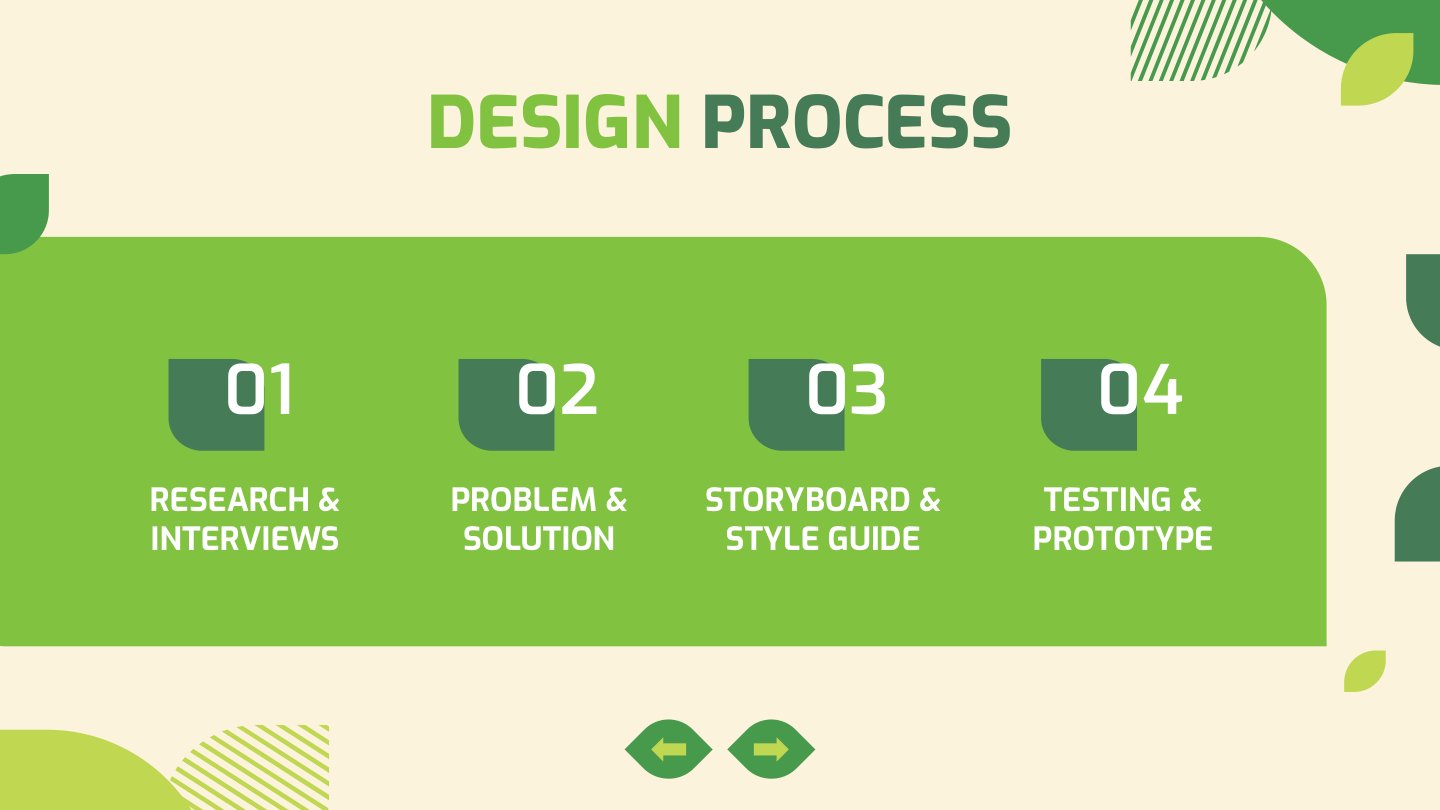
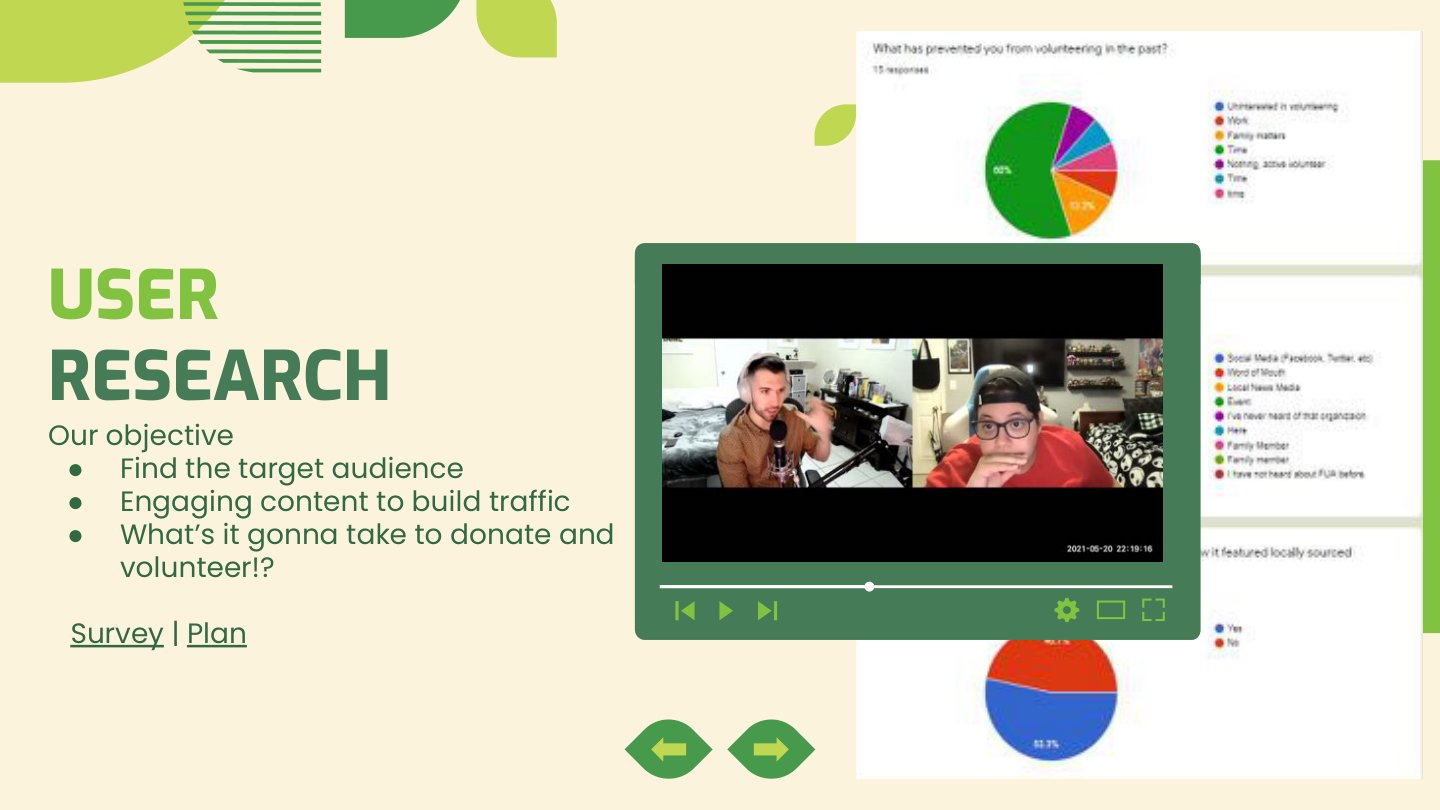
FL Urban Agriculture
Brand StrategyInformation Architecture
Unified brand and web into a single narrative system that could scale.
Strategic Moves:
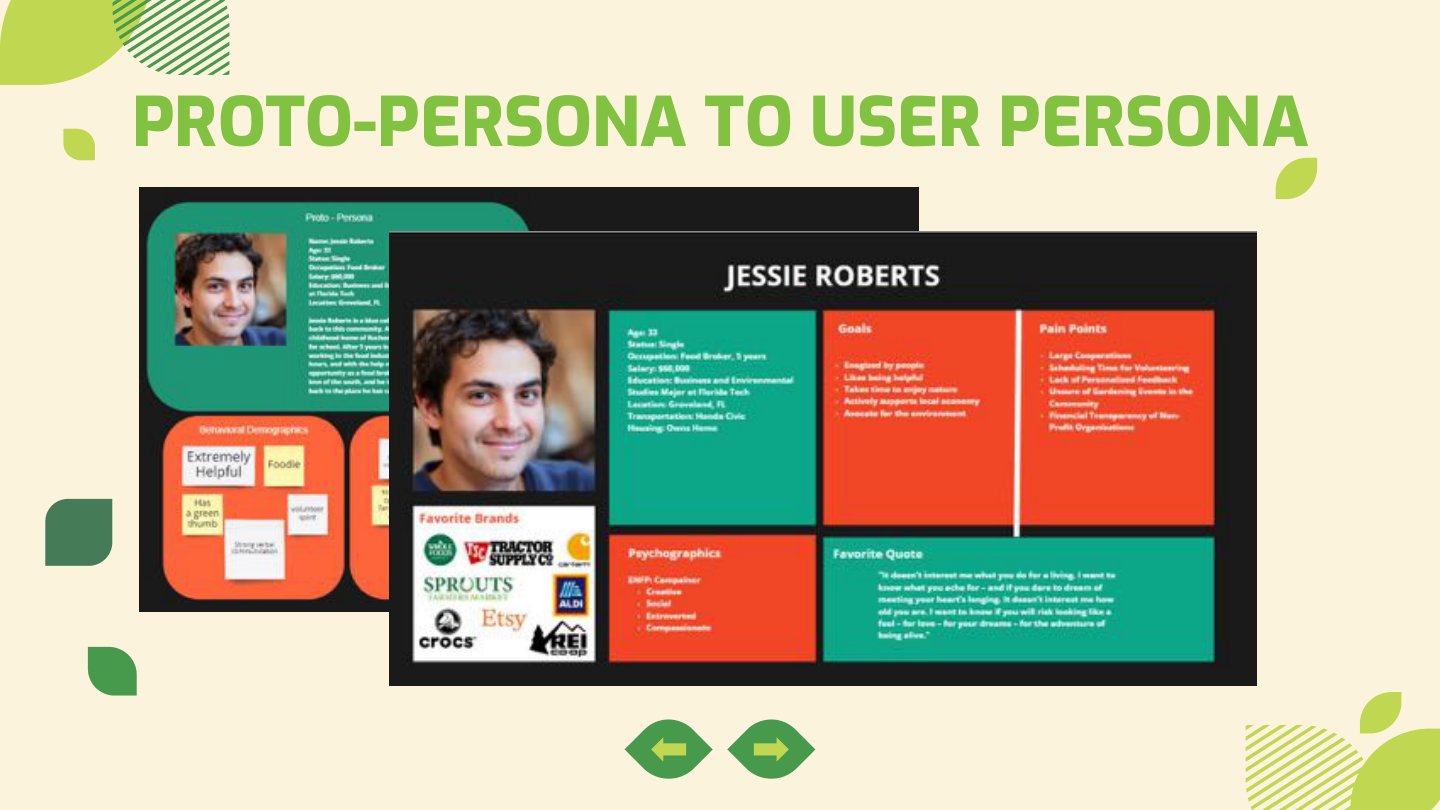
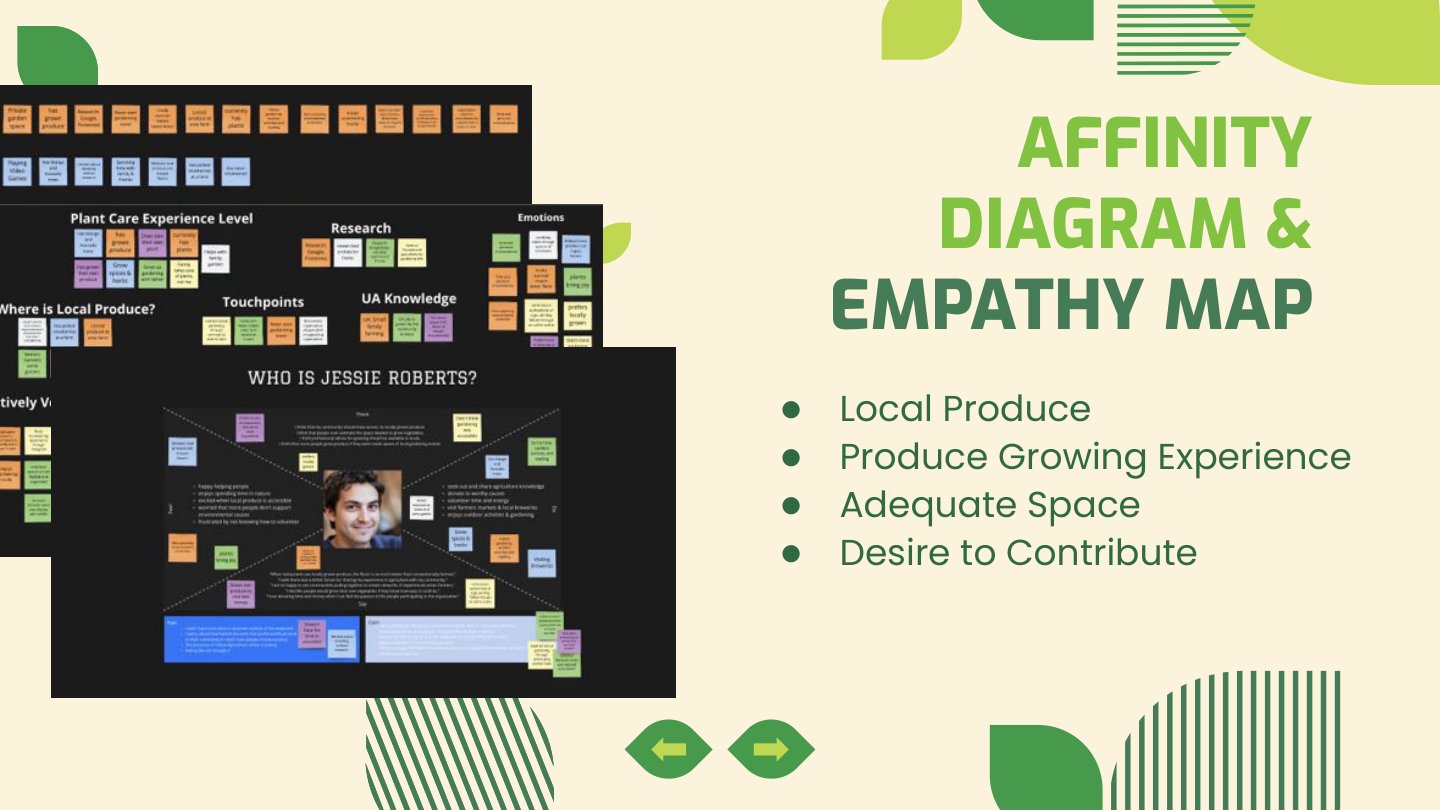
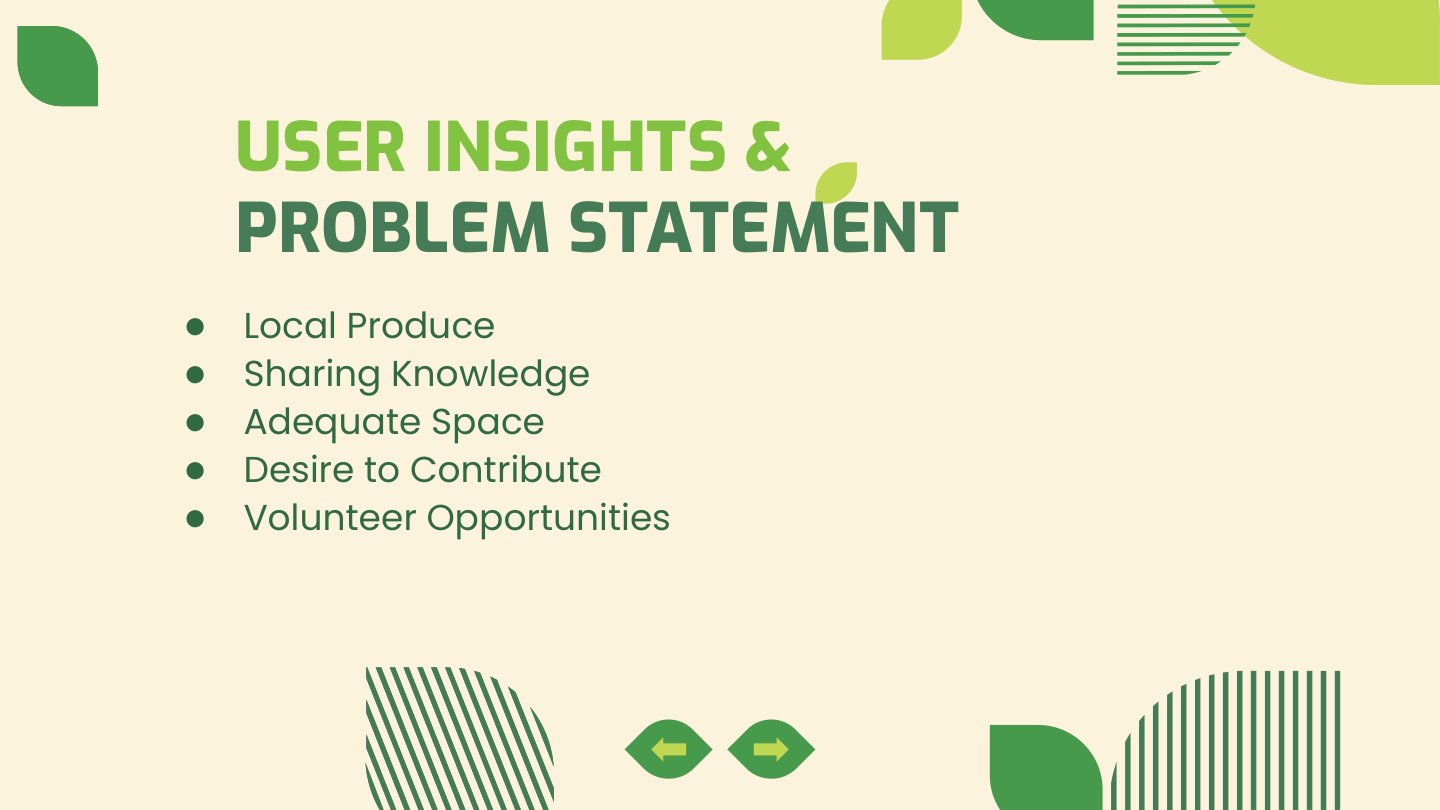
Defined a clear “what we do + who we serve” structure
Clear “what we do + why it matters” story
Built repeatable messaging modules
Aligned site architecture to brand narrative
Results:
Cohesive identity across brand + web
Reusable story across touchpoints
If those examples feel familiar, the next question is which decision is currently
costing you the most time. That’s what the service lanes are for.
Common Triggers
when direction feels unclear
If you've said any of these out loud recently, you're in the right place.
“We’re about to invest heavily.
What if we’re solving the wrong thing?”
“Everyone is working hard.
Why does alignment still feel fragile?”
“We like the direction.
We just can’t explain it clearly yet.”
“It makes sense internally.
Why isn’t it landing externally?”
1 / 3
...that’s usually when senior direction matters most.
Services
decisions before execution
These are the lanes I step into when a founder needs a decision to hold up under real
constraints. I’m not a surface-level redesign partner. I help founders and product leaders
lock direction, surface the tradeoffs, and translate strategy into buildable structure so
delivery has fewer surprises during build. Pick the lane based on what’s stuck. The same
rhythm stays in place.
UX Strategy for Complex Workflows
When teams keep asking the same questions, it usually means a key decision
is still unsettled. I help you clarify roles, workflows, and edge cases so
the team stops guessing and can ship with confidence.
Workflow mapping that shows where people get stuck
Role-based paths and guardrails to reduce mistakes
Clear requirements and edge cases so dev can ship confidently
Prototype and validate before you build the expensive thing
Simple, practical handoff that holds up in the real world
If the interface changes based on who touched it last, the rules are not
defined yet. I help you lock the standards, patterns, and constraints so the
product stays coherent as the team scales.
Component inventory and standards that reduce redesign
Patterns for forms, tables, empty states, and errors
Spacing, typography, and layout rules that scale
Accessible-by-default choices, so fewer surprises later
When the story changes from deck to deck, it usually means the positioning
decision is not locked. I help founders and product leaders clarify what you
do, who it is for, and why it wins, then translate that into messaging and
visuals your team can reuse without drift.
Brand foundations
If brand decisions are still implicit, design output gets fragile. I help
teams define the basics once, then reuse them everywhere.
Positioning and audience clarity
Voice and messaging guardrails
Visual direction and usage standards
Practical guidelines your team can apply without guesswork
Clear positioning and a voice that sounds human
Messaging frameworks that stay consistent across channels
Visual systems that look modern without trying too hard
Copy that explains complex things in plain language
Growth breaks when the work depends on one person’s memory. I help you
capture the process, define what “good” looks like, and turn it into
onboarding and playbooks the team can actually follow.
New-hire onboarding that doesn’t rely on one “go ask Sarah” person
First we name the decision. Then we define what “done” means, and what we are willing to
trade off. I use a repeatable framework that keeps decisions grounded and reduces rework
as we go, but I’m not precious about it. We’ll adjust to fit real constraints, timelines,
and stakeholders.
This is the repeatable loop I use to turn messy reality into buildable direction.
What Embedding Looks Like
This is how I work inside a team: a steady weekly rhythm that keeps decisions
aligned and build work unambiguous.
Each week ends with decisions locked in writing and a short list of next actions.
Weekly outputs
Decision Summary (session, rationale, owner)
Workflow and edge-case updates
Requirements and acceptance criteria the team can build against
Clear next actions, by owner
How decisions get locked: we capture the tradeoff and what “done”
means, then the plan is visible enough for product, engineering, and go-to-market to
move in sync.
The framework below is how those decisions get made, tested, and carried through.
Align on the Real Decision
We define the actual decision being made, who it affects, and what success
means. This prevents solving the wrong problem elegantly.
Output: shared problem framing, success criteria, constraints.
Expose the Current Reality
We map how the system actually works today, including handoffs, workarounds, and
unspoken assumptions. We mark where confusion, repetition, or quiet friction
show up.
We design a clearer structure with roles, steps, and guardrails so the next
action is obvious at each point. The goal isn’t decoration. It’s decision
clarity.
Once live, we watch for repeated questions, support load, or breakdowns in the
flow. Then we refine the system so it strengthens over time instead of decaying.
I came up through hospitality and high-touch customer experience, where clarity,
trust, and steady decision-making matter under pressure. If someone has to ask
“what do I do next?” twice, the system needs attention.
Today I bring that same discipline to complex products and brands. I embed with
teams, reduce ambiguity, and help the work hold up when the team grows, the stakes
rise, and the deadlines tighten.
Not sure which lane? Start with a Clarity Call.
Engagement Model
when pressure forces clarity
Most founders and product leaders start with one Decision Session. You leave with a
written Decision Summary, clear tradeoffs, and a next step with a named owner.
What I mean by “a decision”
A decision is one commitment you can execute next. We surface tradeoffs, name one owner,
and define what “done” means so the team can move.
In a Decision Session, you leave with:
A one-sentence decision statement (what we’re committing to)
Tradeoffs (what we’re not doing, or not doing yet)
Next step (the smallest move that reduces risk)
Owner + checkpoint (who does what by when)
Expand a section to confirm fit, see what to bring, and preview the Decision Summary.
Tip: Collapse all to jump back to booking options.
Should you book a Decision Session?5 signals it will save you rework
You are launching something new and the “why” or scope is still wobbly.
You hit a roadblock and debate keeps repeating with no clean owner or next step.
The decision is cross-functional, and tradeoffs are getting buried instead of named.
The call is high-stakes, and getting it wrong would create expensive rework.
You need to allocate time, budget, or attention, and the team is pulling in
different directions.
When not to bookIf decisions are already set, or nobody can own the call
You need a purely execution-only designer, with decisions already made and locked
elsewhere.
No one can be named as the decision owner, or the final call must be made by
large-group consensus.
You cannot share real examples (tickets, screenshots, call notes, workflows), so we
would be forced to guess at “current reality.”
The goal is to generate options indefinitely, not to commit to a tradeoff and a next
step.
The timeline leaves no room to validate key unknowns, but the team will still hold
the work accountable for outcomes.
What to bring2–3 artifacts, constraints, success metric, decision owner
2–3 real examples: tickets, screenshots, support threads, call
notes, or workflow artifacts.
Known constraints: deadlines, capacity, compliance, technical
limits, or contractual commitments.
Who is affected: which teams and user roles feel the impact, and
where the handoffs break.
What “good” looks like: success metric, guardrails, and what we are
explicitly not optimizing for.
Decision owner: who makes the final call, plus the checkpoint date
for revisiting if reality changes.
Decision Summary, exampleWhat “good” looks like in practice
Decision: Ship a “Request a callback” path on the pricing page this
sprint, and keep “Book a demo” as the primary CTA.
Why: Sales needs faster capture for high-intent visitors. Product
needs signal quality and a path that scales without creating manual chaos.
Tradeoffs: We accept a small increase in low-quality leads in
exchange for higher total volume. We protect sales capacity with basic qualification
fields and routing rules.
What’s true right now: Current form completion is low on mobile.
Sales response time is inconsistent. Engineering can ship a lightweight callback
flow without new infrastructure.
Open questions (if any): Which fields are required for routing, and
what is the maximum acceptable response window?
Owner + checkpoint date: Owner: Head of Growth. Checkpoint: review
conversion rate and lead quality in two weeks, then decide whether to expand,
adjust, or roll back.
How decisions get madeRoles, who decides, and how we lock it
Decision clarity is not a workshop outcome. It is an operating agreement. The first
decision is often deciding who decides.
We agree on roles up front: who drives the decision, who makes the final call, and
who provides input.
We pull in the right voices at the right moment. We start small to reach a decision,
then expand to iterate and stress-test it.
We write down what we decided, why, and what we are trading off, then we execute
against that record until the checkpoint date.
If the truth is “we do not know yet,” we turn that into targeted discovery with a
clear owner and next step.
Scheduling opens in Calendly. You may see a quick cookie prompt before selecting a
time.
1) Book a Decision Session. 2) Bring 2–3 real examples. 3) Leave with a written Decision
Summary and a next step your team can execute.
Not sure what lane this falls into? Book the 15-Min Clarity Call. We’ll identify the
stuck decision and route you to the right next step.
I help teams turn complex work into a clear, cohesive product experience by turning
assumptions into decisions, then turning decisions into execution.
I’m Mark Malcolm, a
Product Strategist & UX Partner. I embed with founders and leaders on complex, cross-functional work and turn
ambiguity into a
clear, buildable path forward. My
focus is making the system coherent, so the work can ship without second-guessing.
My toolkit comes from environments that punish ambiguity. Outdoor advertising taught
me to compress complex intent into one message someone can grasp in seconds. Print
production taught me that details and hierarchy are not polish, they are the
difference between work that holds up and work that breaks. Service recovery trained
me to solve what matters, not argue my way out of a bad moment.
That’s why I’m effective when the work feels messy, political, or undefined. I don’t
start by proposing screens. I start by
finding the unspoken assumptions that are quietly steering the work, what is actually constrained, and what must be decided before design can be
honest. Then I translate tribal knowledge into shared artifacts and tighten the
decisions that shape delivery: roles, states, edge cases, content logic, and
handoffs.
I work best at the intersection of strategy and UX, close enough to the details to
make it real, and high enough to protect coherence across the system. The
throughline is simple: I
reduce ambiguity and rework
so teams can move faster with fewer surprises.
If you bring me in right before something ships, you get a steady cadence and a calm
final pass. I ask the questions that prevent quiet misalignment, then I help the
team lock decisions, align around standards, and ship something that holds up
(including in flagship environments like Expedia Local Expert and the Orlando World
Center Marriott).
Reference Library
A small, high-signal library for clients who like to go deeper, without getting lost in
noise.
Foundations
Don't Make Me Think
Steve Krug · Book
A practical primer on making interfaces feel obvious. If customers need a
walkthrough to use something, this book helps explain why that happens and
what to simplify first.
A foundation for understanding why people get stuck, make mistakes, or miss
what seems "obvious." It reframes usability as a design responsibility, not a
user problem.
A clear, visual reference for design principles that show up across products and
industries. It is helpful when you want the "why" behind a decision, without
turning it into a debate about taste.
A long-running, research-backed library on usability, IA, and UX methods. If you
want evidence and examples instead of opinions, this is one of the most
dependable places to start.
A strong way to understand business models, incentives, and why "obvious"
product moves can backfire. This is most useful when you want to connect product
decisions to market structure.
Key Ideas:
Analyzing business models
Understanding competitive dynamics
Anticipating platform shifts
The Crux
Richard Rumelt · Book
A practical way to identify the one challenge that actually determines
success. It helps cut through "nice to have" priorities and focus effort where
it has leverage.
A clear explanation of positioning and tradeoffs. It is useful when a team is
busy improving execution, but has not agreed on what they are choosing to be,
and not be.
A blunt reset on what strategy actually is: making choices that create a
coherent approach. It is especially useful if your team has a vision, but the
plan does not force real prioritization.
Key Ideas:
Forcing real prioritization
Making coherent choices
Aligning around tradeoffs
Playing to Win
A.G. Lafley, Roger Martin ·
Book
A practical way to turn strategy into decisions you can test: where to play,
how to win, and what has to be true. It helps teams move from ambition to
clarity.
A structured approach to telling stories that people remember. This is useful
if your team has real insight, but it is not landing clearly with stakeholders
or customers.
Conversations about strategy, platforms, and incentives that shape modern tech.
This is helpful when you want to understand the economic forces underneath
product decisions.
Key Ideas:
Understanding tech incentives
Analyzing platform strategy
Connecting product to economics
Discovery & Product Practice
Inspired
Marty Cagan · Book
A clear look at how strong product teams operate, especially around discovery
and ownership. This is useful if your roadmap is busy, but learning is thin.
A practical argument for outcomes over output, with clear guidance on how to
make that real. This is useful if your team ships constantly, but results are
inconsistent.
A practical system for defining work before it enters delivery. This is helpful
if your team struggles with endless scope drift or too many "almost done"
projects.
Key Ideas:
Shaping product bets
Scoping realistic work
Increasing delivery focus
Continuous Discovery Habits
Teresa Torres · Book
A realistic approach to discovery that fits into weekly rhythms. This is
useful if you want customer truth, but you do not want discovery to become a
separate department.
A structured introduction to experimentation-driven growth. This is useful
when you want a shared language for hypotheses, test design, and learning
loops without chasing vanity metrics.
A simple diagnostic lens for thinking about acquisition, activation, retention,
referral, and revenue. This is helpful when you want to identify what is
actually broken before redesigning everything.
A clear explanation of why one guiding metric can reduce thrash. This is useful
when you have dashboards everywhere, but no shared definition of progress.
A deep archive of practical product and growth playbooks. It is best used as a
targeted search tool when you want examples, tactics, and real-world patterns.
High-signal talks on product, growth, and founder decision-making. This is
useful when you want practical answers to common problems, without the
motivational fluff.
A set of metaphors for how organizations concentrate power, coordinate work, and
handle complexity. This is helpful when a team keeps repeating the same
dysfunction, even with smart people and good intentions.
A practical way to think about team boundaries and interaction modes. This is
useful when adding more sessions is not fixing coordination, and the real
issue is structure.